

Three-Time International BUILD Award Winner (2024–2026).  Recognized by BUILD Magazine, United Kingdom, for Excellence in Structural Engineering, Building Restoration, Realignment, Restructural Engineering, and Environmental Sustainability.  2024 - https://www.build-review.com/winners/edss-ventures-limited/ , 2025- https://www.build-review.com/winners/edss-ventures-limited-2/, 2026- https://www.build-review.com/winners/edss-ventures-limited-3/  .  Member of the Indian Green Building Council (IGBC) | Membership No. IGBCCS260808

EDSS

Engineering Metamorphosis

Can an Old Building Be Modified Without Demolition? A Guide to Engineering Metamorphosis 

Introduction Not all old buildings require full demolition to meet current requirements. There are various methods that ensure that the structure is strengthened and improved. One such method is metamorphosis through engineering, which can be done by an experienced construction company in Kochi. Table of Contents What Is Engineering Metamorphosis? Can an Old Building Be Modified Without Demolition? How Engineers Assess an Old Building Methods of Building Modification Benefits of Modifying Buildings Without Demolition Challenges in Old Building Modification When Is Demolition Necessary? Choosing the Right Construction Company  Conclusion FAQ What Is Engineering Metamorphosis? Engineering metamorphosis is the change that occurs when modifying an existing structure without tearing down the whole structure. The modifications can include reinforcement of the structure, altering its layout, foundation repair, or even adding usable space. The most important part of Building Transformation is to make the structure safer, functional, and appropriate for current uses. A professional structural inspection can help in determining the safe and feasible modifications. Can an Old Building Be Modified Without Demolition? Yes, an old building can frequently be modified without total demolition. This would depend on the condition and safety of the structure. Some ways through which buildings can be modified include: Repairing structural damage. Reinforcing beams and columns. Modifying the layout of the interior of the building. Foundation improvement when necessary. How Engineers Assess an Old Building Prior to modifying any existing structure, engineers assess the structure’s condition in order to determine whether it is safe enough for modification. The evaluation process consists of the following steps: Visual Inspections: Evaluating visible signs of damage such as cracks and moisture problems. Structural Evaluation: Inspecting beams, columns, walls, and slabs. Evaluation of the Foundation: Checking the condition of the foundation. Material Testing: Testing materials if necessary. Assessment of Safety: Determining the necessary repairs/modifications. Methods of Building Modification There are various ways through which one can modify an old building depending on the state and requirements of the building. Structural Strengthening: This involves strengthening the beam, column, and slab. Foundation Strengthening: Where there is a need for additional support on the foundation. Layout Change: Changing the layout of the building for efficiency. Building Extension: Extra space where the building has the capability of sustaining extra space. Repair & Restoration: Repairing the cracked concrete, among others. The appropriate way to modify the building will be recommended by a structural engineer. Benefits of Modifying Buildings Without Demolition There are several advantages to modifying buildings that do not involve complete demolition: Cost-effectiveness: Could save money compared to demolition and reconstruction. Reduction of Construction Waste: Would help minimize waste produced by demolition. Saves Time: Could be faster than building anew, depending on the modifications needed. Preservation of Building Elements: Allows reuse of functional parts of the building. Enhancement of Usability: Makes the building more suited for contemporary purposes. Effective Utilization of Resources: Makes use of pre-existing elements and resources. The advantages will vary depending on the particular case. Challenges in Old Building Modification Renovating a building can bring along various difficulties based on the building and how it is built. Structural Damage: Cracks and weak materials might need fixing. Hidden Issues: Some problems might not be seen when first looked at. High Repair Costs: Big work to make things stronger can make costs go up. Limited Space: The way things are arranged might not allow changes. Safety Concerns: The building must stay safe and strong while being worked on. A good look at the structure helps find these problems before starting any work When Is Demolition Necessary? It might become necessary to demolish the structure when there is no way to modify an existing building because: There has been great damage to the structure of the building. The foundation of the building cannot be improved. Extensive deterioration has occurred to the structural materials of the building. There are great costs involved in repairing the building. The safety requirements cannot be met by modifying the building. The structural engineer would need to assess the building first Choosing the Right Construction Company Selection of the proper construction firm plays an important role in ensuring the safety and efficiency of the modification process. Some points to consider while selecting the right construction firm are as follows: Prior Experience: It should have previous experience in building modification. Skilled Engineers: Ensure the use of skilled structural engineers by the construction firm. Building Inspection: It should properly assess the building before making any recommendations. Cost Estimate: Ensure the availability of a cost estimate for the project. For reliable engineering metamorphosis in Kochi, choose a construction firm with the right experience and technical expertise. Conclusion Not all buildings have to be demolished at all times. Through proper structural evaluation and use of appropriate engineering techniques, most buildings can be altered to fit into today’s requirements. It all depends on the state of the building, its safety, and the cost of repairs. It is important to seek advice from professional engineers. Every old building holds the potential for a new beginning with the right engineering approach Call Us Frequently Asked Questions 1. Can an old building be modified without demolishing it? Yes, most of the old buildings can be modified with proper analysis and strengthening. 2. What is meant by engineering metamorphosis? It is the process of modifying the existing building to suit new needs using proper engineering techniques. 3. What are the most common techniques used for modifying buildings? They include strengthening of buildings, strengthening of foundations, modification of building layout, and extension of buildings. 4. Is building modification cheaper compared to demolition and reconstruction? Yes, but it depends on the condition of the building and the expenses involved. 5. How does an engineer analyze the condition of an old building? An engineer analyzes the structure of the building, foundation, beams, columns, and materials to find out the damage done and suitable modifications. 6. When is the demolition of a building necessary? Demolition will be necessary in the case of a building that

Can an Old Building Be Modified Without Demolition? A Guide to Engineering Metamorphosis  Read More »
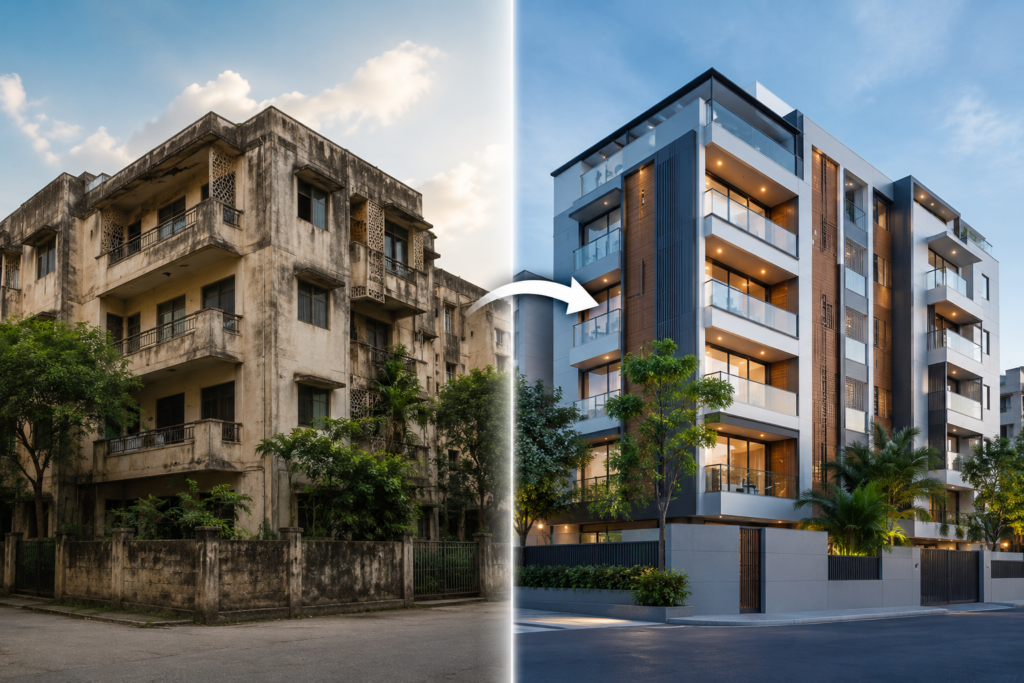
Engineering metamorphosis guide

When Is Engineering Metamorphosis the Best Alternative to Redevelopment? 

Introduction It is natural for buildings to degenerate after a period of time because of factors like aging, environmental wear and tear, changing needs in the building and changes in the safety regulations. The demolishing and rebuilding of buildings have become the automatic choice for many property owners as a solution to aging buildings. Demolishing and rebuilding are not always the most appropriate and economical means of solving problems of aging buildings. Engineering Metamorphosis is a relatively new concept that entails renovating old buildings to make them modern, functional and durable without having to rebuild them. Engineering Metamorphosis involves improving on the structural components, upgrading the utilities, making the buildings look aesthetically pleasing and improving their functionality. For residential, commercial, industrial or institutional buildings, it can be important to learn when to consider engineering metamorphosis as an alternative to redevelopment. Table of Contents Why Demolition Is No Longer the Only Solution Understanding Engineering Metamorphosis Converting Residential Buildings into Commercial Properties Structural Reinforcement: The Foundation of Successful Transformation Preserving Character Through Restoration Engineering Creating Open Commercial Spaces Through Load Transfer Technology Correcting Structural Defects Before Commercial Conversion Realigning Tilted Buildings for Future Use Sustainability Benefits of Building Transformation Conclusion FAQ What Is Engineering Metamorphosis? An engineering metamorphosis is the method of updating and reinforcing an existing building without demolishing it entirely. The aim is to enhance structural performance, efficiency, safety, aesthetics, and longevity while retaining the essence of the building structure wherever possible. This can be achieved by implementing: Structural Reinforcement Foundation Enhancement Concrete Repairs Reinforced Steel Waterproofing Seismic Retrofitting Remodeling of interior space MEP (Mechanical, Electrical, and Plumbing) Systems Improvement Facade Upgrades Optimization of Space While aesthetic renovations concentrate on enhancing the appearance of buildings, engineering metamorphosis also concentrates on their structural performance. Engineering Metamorphosis vs. Redevelopment Although both approaches aim to improve a property, they differ significantly. Engineering Metamorphosis Redevelopment Preserves existing structure Demolishes existing building Lower construction waste High demolition waste Faster completion Longer project duration More cost-effective in many cases Often requires higher investment Environmentally sustainable Greater environmental impact Minimal disruption Significant site disturbance Many property owners now choose Engineering Metamorphosis because it provides a practical way to modernize buildings while maximizing existing assets. When Is Engineering Metamorphosis the Right Choice? 1. When the Structure Is Fundamentally Sound If structural inspections confirm that the building’s foundation and primary framework remain stable, strengthening and upgrading the existing structure is often more practical than demolition. 2. When You Want to Reduce Project Costs Complete redevelopment involves: Demolition expenses Waste disposal New foundation work Higher material costs Longer labor requirements Engineering transformation often reduces these expenses while achieving comparable functional improvements. 3. When Time Is a Priority Redevelopment projects may require many months or even years to complete. Engineering metamorphosis usually shortens project timelines because much of the existing structure remains intact. Businesses can often resume operations sooner, minimizing financial losses caused by extended closures. 4. When Environmental Sustainability Matters Construction and demolition generate significant waste and consume large amounts of natural resources. Reusing structural components helps: Reduce landfill waste Lower carbon emissions Minimize resource consumption Support sustainable construction practices A reliable construction company in Kochi can evaluate whether your existing building can be successfully upgraded while meeting modern engineering standards. 5. When Building Regulations Have Changed Older buildings may no longer comply with current safety requirements. Engineering upgrades can help meet updated standards through: Earthquake-resistant reinforcement Fire safety improvements Accessibility upgrades Electrical modernization Plumbing replacement This allows owners to maintain compliance without rebuilding from scratch. 6. When Property Value Needs Improvement Modernized buildings often experience increased: Market value Rental potential Occupancy rates Energy efficiency Buyer appeal Strategic upgrades create long-term returns while extending the building’s useful life. Signs Your Building Needs Structural Transformation You should consider professional evaluation if you notice: Cracks in walls or ceilings Foundation settlement Water leakage Corroded reinforcement Uneven flooring Roof deterioration Aging electrical systems Plumbing failures Outdated layouts Early intervention often prevents larger structural problems in the future. Key Benefits of Engineering Metamorphosis Improved Structural Strength Advanced strengthening techniques enhance the building’s load-bearing capacity and overall safety. Enhanced Safety Upgraded structures better withstand environmental stresses while complying with modern engineering standards. Increased Property Value Modern facilities attract buyers, tenants, and investors more easily. Better Space Utilization Interior layouts can be redesigned to improve functionality without rebuilding the entire structure. Energy Efficiency Modern insulation, lighting, HVAC systems, and windows help reduce operating costs. Reduced Downtime Since much of the structure remains intact, projects can often be completed faster than full redevelopment. Property owners seeking engineering metamorphosis services in kochi often choose this approach because it balances structural improvement with cost efficiency and reduced project timelines. Common Applications Engineering metamorphosis is suitable for various property types, including: Residential Buildings Independent homes Villas Apartment complexes Commercial Buildings Office buildings Shopping complexes Retail outlets Industrial Facilities Factories Warehouses Manufacturing units Institutional Buildings Schools Hospitals Government buildings Educational institutions Each project is customized according to the building’s structural condition and intended use. The Engineering Metamorphosis Process A successful project typically follows these stages: Initial Structural Assessment Engineers evaluate the existing condition of the building using detailed inspections and testing. Structural Analysis Load calculations and engineering assessments determine necessary improvements. Design Development Customized strengthening and modernization plans are prepared. Material Selection High-quality materials are chosen based on structural requirements and durability. Construction and Strengthening Engineers implement repairs, reinforcements, upgrades, and architectural improvements. Final Inspection The completed project undergoes thorough quality and safety verification before handover. An experienced engineering metamorphosis company in kochi ensures every stage is carefully planned to achieve long-lasting structural performance and regulatory compliance. Factors to Consider Before Choosing Before deciding between redevelopment and engineering metamorphosis, evaluate: Structural condition Building age Budget Project timeline Future expansion plans Regulatory requirements Environmental considerations Long-term maintenance costs Professional structural assessments provide the information needed for an informed decision. Why Professional Expertise Matters Metamorphosis through Engineering involves knowledge in structural engineering, architecture, building technologies and legislation. Professionals in the field conduct

When Is Engineering Metamorphosis the Best Alternative to Redevelopment?  Read More »