
Three-Time International BUILD Award Winner (2024–2026).  Recognized by BUILD Magazine, United Kingdom, for Excellence in Structural Engineering, Building Restoration, Realignment, Restructural Engineering, and Environmental Sustainability.  2024 - https://www.build-review.com/winners/edss-ventures-limited/ , 2025- https://www.build-review.com/winners/edss-ventures-limited-2/, 2026- https://www.build-review.com/winners/edss-ventures-limited-3/

EDSS

ReStructural Engineering

How Re-Structural Engineering Extends the Lifespan of Aging Infrastructure

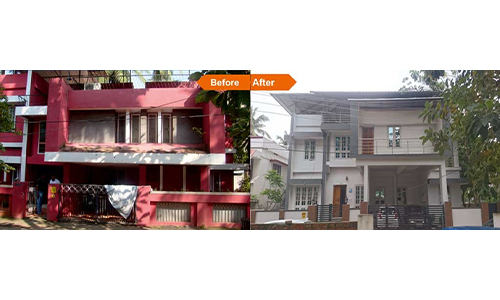
Across the globe, bridges, buildings, Houses and industrial frameworks are either approaching or surpassing their expected service life. Decades of use, environmental wear, and increased loads often make these structures unsafe or inefficient. However, total rebuilding is not always feasible, cost-effective, or sustainable. This is where Re-Structural Engineering plays a role – the science of re-designing, re-configuring, or strengthening existing infrastructure so that it can modernize to fulfill contemporary conditions while still remaining safe and stable. By applying several years of experience and the latest analytical or modeling tools, engineers can enable aging infrastructure to be brought back to life without totally replacing the structure. Table of Contents What Is Re-Structural Engineering? Why Aging Infrastructure Needs Rehabilitation The Science Behind Re-Structural Engineering Key Techniques Used in Re-Structural Engineering Benefits of Structural Rehabilitation Conclusion FAQs 1. What Is Re-Structural Engineering? Re-Structural Engineering focuses on redesigning or modifying the structure of a building or framework to accommodate changes such as additions, deletions, or load redistribution.It is often needed when a structure is expanded, renovated, or repurposed in some sense.  The engineer must ensure that any modification can resist loads from shear, tension, compression, and torsion, or won’t compromise the overall stability and integrity of the building.  Every change must consider how the load variations will affect the entire structure. A successful re-structural project utilizes extensive analysis, material testing, and strengthening techniques to confirm safety and extended durability. 2. Why Aging Infrastructure Needs Rehabilitation Infrastructure deteriorates over the time for the following reasons: Material fatigue and corrosion Environmental stress like heat, moisture, or seismic activity Increased load capacity from modernization or population growth Outdated design standards that no longer meet current safety regulations Re-structural engineering work can typically restore lost life to these assets through reinforcement and modifications to meet the modern requirements. 3. The Science Behind Re-Structural Engineering Thorough technical analysis is the foundation of any successful restructuring project. In restructuring and redesigning services engineers rely on simulation and modeling tools to analyze how loads and stresses will act to the structure. These initiatives include: Advanced Structural Analysis: Analyzing how the structure will respond to various conditions. Materials Assessment: Analyzing the strength, flexibility, and level of degradation of the materials used.   Load Distribution Simulation: Analyzing computer models to locate weak points to prevent future structural failures. All initiatives guarantee that all proposed changes meet safety codes and regulations and avoid costly or dangerous mistakes in the future. 4. Key Techniques Used in Re-Structural Engineering Re-Structural Engineering services utilizes contemporary techniques to maintain and upgrade the strength of existing structures to different degrees, including: Retrofitting: Strengthening beams, columns, and slabs with steel or carbon-fiber composites. Load Redistribution: Modifying structural members to optimize force mechanisms through the structure. Strengthening Foundations: Underpinning or installing micro-piles to accommodate new or higher loads on foundations. Corrosion Protection: Using coatings or cathodic protection systems to mitigate deterioration of structural materials. Structural Health Monitoring: Implementing sensors to collect ongoing stress, vibration, and other performance data. 5. Benefits of Structural Rehabilitation Cost efficiency: More affordable than demolishing and building new structures. Time savings: Saves time and limits the downtime of commercial or public structures. Sustainability: Minimizes the dependence on materials, reduces waste, and lowers the carbon footprint. Safety: Structural enhancements to meet current building codes. Preservation: Preserves the architectural and cultural integrity of heritage structures. Conclusion Re-structural engineering is not solely repair—it is about planning the future for existing structures. Through advanced simulations, pre-specified material testing, and smart reinforcing, engineers can help ensure existing buildings built decades earlier can be safe and serve their purpose for many years into the future.   In a time where sustainability and efficiency are more important than ever, re-structural engineering and skilled building contractors together form the bridge between old and new. Extend the Life of Your Structure with Expert Re-Structural Engineering Call Us Frequently Asked Questions 1. What is the main goal of re-structural engineering? To redesign and reinforce existing structures so they can safely accommodate modifications or additional loads. 2. How do engineers ensure a modified structure remains safe? They use sophisticated simulation tools, load analysis, and reinforcement strategies that take shear, tension, compression, and torsion forces into account. 3. When should a structure undergo restructuring?  When there are plans for major additions or layout changes, or when signs of structural distress or your house or building do not meet the current requirement.

How Re-Structural Engineering Extends the Lifespan of Aging Infrastructure Read More »

What is ReStructural Engineering services

What Is Restructural Engineering? An Introduction for Beginners

  When we think about engineering, we frequently envision tall structures, bridges, and broad roadways. But what happens when these constructions begin to show their age or require modifications to meet new needs? That’s where restructural engineering comes in. Restructural engineering is concerned with the analysis, strengthening, modification, or restoration of existing structures. It is critical to sustaining our infrastructure, guaranteeing building safety, and converting existing structures for new uses. Whether you’re a student starting out in engineering or a property owner interested in your building’s structural demands, this blog will provide you with a thorough understanding of the foundations of restructural engineering. Table of Contents What Is Restructural Engineering? Why Is Restructural Engineering Important? Common Scenarios That Require Restructural Engineering How Restructural Engineers Work Key Techniques in Restructural Engineering Conclusion FAQs What Is Restructural Engineering? Restructural engineering is a specialized branch of structural engineering that deals with assessing, modifying, reinforcing, or repairing existing structures.If helps to redesign or modify the structure of a building or framework.  This is done when needed to construct additions or deletions to the structure. ‘Restructural Engineering’ has to be done on the structure keeping in mind that these additions or deletions can withstand the shear, tension, compression, and torsion forces and the variation of the load applied. It ensures that buildings, bridges, dams, and other infrastructures remain safe, functional, and up to code over time. A successful Restructural engineering service involves advanced structural analysis, material assessment, and reinforcement techniques to stabilize the safety of the building. Engineers use simulation tools to properly access load distribution, avoid structural failure, and meet safety requirements or regulations. Unlike traditional structural engineering, which focuses on new construction, restructural engineering involves working with existing elements often aging or damaged to restore or enhance their performance, making it a critical service offered by an engineering and construction company. Why Is Restructural Engineering Important? Here’s  the reasons why restructural engineering is essential: Safety: Finds and corrects vulnerabilities before they pose a threat. Sustainability: Preserves existing structures, reducing the need for new materials and construction. Cost Efficiency: strengthening a building usually costs less than starting from the ground up. Compliance:  Brings buildings into compliance with current safety and accessibility requirements. Adaptation:  Adapts buildings to accommodate new uses or support increased loads (such as solar panels or additional floors). Common Scenarios That Require Restructural Engineering Restructural engineering often comes into play in several situations, such as when: A building starts to show signs of wear, like cracks or movement. You’re renovating a historic property or changing its purpose. Buildings need to be retrofitted to comply with earthquake, wind, or fire safety codes. You’re adding extra floors or altering load-bearing structures. There’s a need to repair damage caused by accidents, natural disasters, or subpar construction. How Restructural Engineers Work ReStructural Engineering Experts generally: Examine the condition of a building through visual observations and diagnostic equipment. Examine the original design and existing loads. Design modifications or strengthening. Oversee repairs or construction. Verify that completed work is up to safety and performance standards. Key Techniques in Restructural Engineering Some common methods include: Carbon fiber reinforcement: Strengthens weak concrete areas. Steel bracing: Adds support to walls and beams. Underpinning: Stabilizes foundations. Retrofitting: Upgrades buildings to withstand earthquakes or floods. Crack injection: Seals and strengthens damaged concrete. Conclusion Restructural engineering is a critical subject that ensures our buildings and infrastructure are safe, efficient, and current. From restoring historical landmarks to retrofitting modern homes, structural engineers play an important role in conserving the built environment. Whether you want to work in this industry or require restructural engineering works for your property, learning the fundamentals of restructural engineering is a good place to start. Need Expert Help with Your existing building? Call Us Frequently Asked Questions What’s the difference between structural and restructural engineering? While restructural engineering specializes in assessing, strengthening, or repairing existing buildings, designing new ones is the fundamental realm of structural engineering.  Is restructural engineering an expensive process? It is normally cheaper than complete demolition and construction, but the cost may fluctuate based on the amount of complexity in the task. Is it possible to make old buildings more resistant to earthquakes? Of course! Through the process of seismic retrofitting, restructural engineers are able to transform enhanced older buildings to withstand earthquakes much more effectively.

What Is Restructural Engineering? An Introduction for Beginners Read More »